Contents (15 sections)
- Introduction
- 1. Plan Your Safari Itinerary
- 2. Choose Budget-Friendly Destinations
- 3. Travel During Off-Peak Seasons
- 4. Opt for Self-Drive Safaris
- 5. Consider Affordable Accommodation Options
- 6. Pack Smart and Light
- 7. Collaborate with Fellow Travellers
- 8. Exploring the Culture and Cuisine
- 📺 Resource Video
- Comparison Table
- Glossary
- Checklist
- FAQ
Introduction
Embarking on a safari in Africa is a dream for many, but budget constraints can turn it into a daunting task. However, with strategic planning and informed choices, you can enjoy a thrilling safari adventure without breaking the bank. From selecting the right time to visit to choosing economical yet memorable destinations, this guide provides practical insights into navigating a budget safari in Africa.
1. Plan Your Safari Itinerary
The first step towards an affordable safari is meticulous planning. Pinpoint which parks and reserves offer the best wildlife experiences aligned with your interests. Consider starting in South Africa, where Kruger National Park is a budget-friendly option known for its extensive wildlife. Alternatively, Etosha National Park in Namibia offers breathtaking views without high costs. Focus on regions where entry fees are lower but still provide rich wildlife sightings. Construct an itinerary that minimizes geographical backtracking to save on travel expenses. Additionally, planning in advance allows you to secure early bird discounts on flights and park entries.
2. Choose Budget-Friendly Destinations
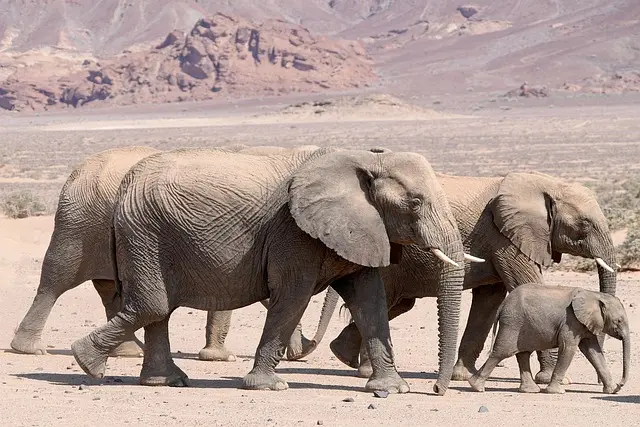
While places like the Serengeti and Masai Mara are iconic, they're often pricey. Instead, explore lesser-known parks such as Chobe National Park in Botswana, which can offer equally captivating safari experiences. Chobe is famous for large herds of elephants and offers affordable accommodations both inside and near the park. Uganda, with its incredible gorilla safaris, provides budget options for the intrepid traveller. Research about destinations where park fees, permits, and local expenses are lower.
3. Travel During Off-Peak Seasons
Opting to visit during the off-peak seasons, typically from March to June and September to November, can drastically reduce costs. Flights, accommodation, and park entries are generally cheaper, and you’ll encounter fewer tourists. This period, known as the shoulder season, offers unique landscape transformations, like lush scenery and fascinating animal behaviours. However, be mindful of the rainy season in some areas which might affect accessibility. 💡 Avis d'expert : Travelling off-season not only saves money but provides enriching experiences with less crowded parks, ensuring better wildlife viewing opportunities.
4. Opt for Self-Drive Safaris
One of the best ways to reduce expenses is by opting for a self-drive safari. Rent a vehicle and explore the parks at your own pace, eliminating the cost of guided tours. Self-drive safaris in places like Kruger National Park or Etosha National Park, where roads are well maintained, are both safe and convenient. This mode of travel empowers you to control your itinerary, pace, and expenditures, offering flexibility and a personalised adventure.
5. Consider Affordable Accommodation Options
Accommodation can significantly impact your budget. Opt for campsites, budget lodges, or hostels which provide a closer connection to nature at reduced costs. Many national parks, including Kruger and Etosha, offer campsites equipped with basic amenities. Consider booking well in advance and take advantage of online discounts. Websites such as Backpackers Africa and Booking.com offer budget accommodation that doesn't compromise on comfort or proximity to wildlife.
6. Pack Smart and Light
Packing efficiently ensures you avoid extra luggage fees and facilitates ease of travel. Include essentials such as a good quality camera, binoculars, layered clothing for varying temperatures, and a basic first-aid kit. Instead of overpacking, adapt your wardrobe to the local climate and culture. Investing in a sturdy, lightweight backpack enhances mobility, especially useful in remote locations.
7. Collaborate with Fellow Travellers
Pooling resources with other travellers can significantly cut costs. Consider ride-sharing with fellow tourists to split transportation expenses. Engage within travel forums for potential partners interested in sharing accommodation or vehicle rentals. This not only reduces financial outlays but enriches experiences through shared memories and insights.
8. Exploring the Culture and Cuisine
While on safari, delve into the rich cultures that Africa offers. Sample local cuisines, often cheaper and more authentic than international options. Dishes like Piri Piri chicken and Jollof rice introduce you to regional tastes without straining your wallet. Street markets in cities and rural areas allow for cultural immersion, providing both budget dining options and unique souvenir opportunities.
📺 Resource Video
📺 For more insights: Ultimate Safari Packing Guide, showing you everything you need for a budget-friendly safari. Search YouTube: "Budget Safari Packing Tips"
Comparison Table
| Criterion | South Africa | Botswana | Namibia |
|---|---|---|---|
| Cost of Entry | Low | Moderate | Low |
| Wildlife Density | High | Moderate | High |
| Accommodation | Affordable | Moderate | Budget-Friendly |
| Visitor Traffic | High | Low | Low |
Glossary
| Term | Definition |
|---|---|
| Safari | A journey or expedition, especially in East Africa, for hunting, exploration, or photography. |
| Self-Drive | A method of travel where the tourist drives themselves rather than taking a guided tour. |
| Peak Season | The time when tourism is at its highest, typically with the highest rates and visitor numbers. |
Checklist
- [ ] Plan your itinerary in detail
- [ ] Choose budget-friendly destinations
- [ ] Travel during the off-peak seasons
- [ ] Opt for a self-drive safari experience
- [ ] Book affordable accommodations in advance
- [ ] Pack light and versatile clothing
- [ ] Connect and collaborate with fellow travellers
- What is the cheapest way to go on safari in Africa?
The cheapest way is to plan a self-drive safari, stay in campgrounds, and travel during the off-peak seasons.
- Which African country is best for a budget safari?
Countries like South Africa and Namibia are excellent for budget safaris due to their vast offerings and lower costs.
- Can you do a safari on your own?
Yes, opting for a self-drive safari allows you to navigate parks at your pace and significantly lower costs.
- What should I pack for a budget safari?
Pack light with essentials like layered clothing, a sturdy backpack, a camera, binoculars, and a first-aid kit.